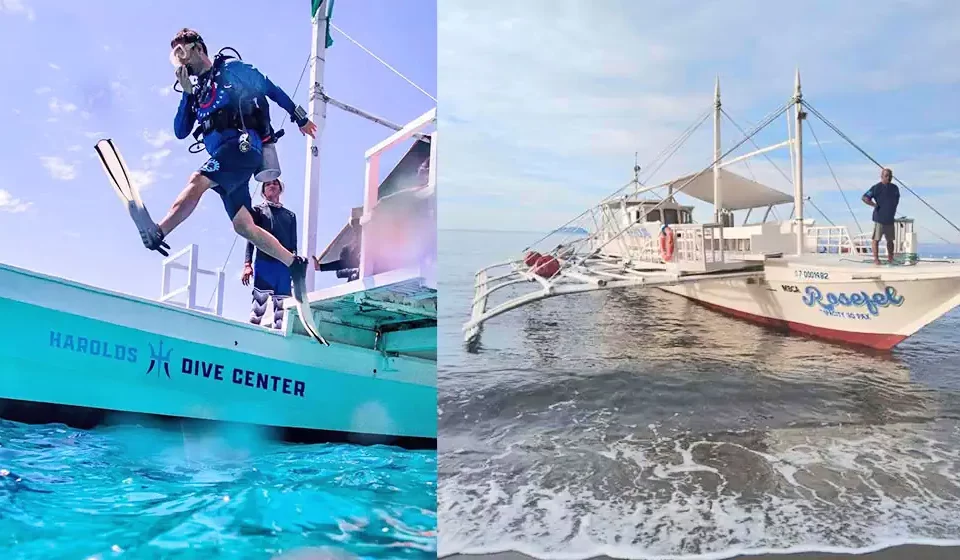
INTRODUCTION
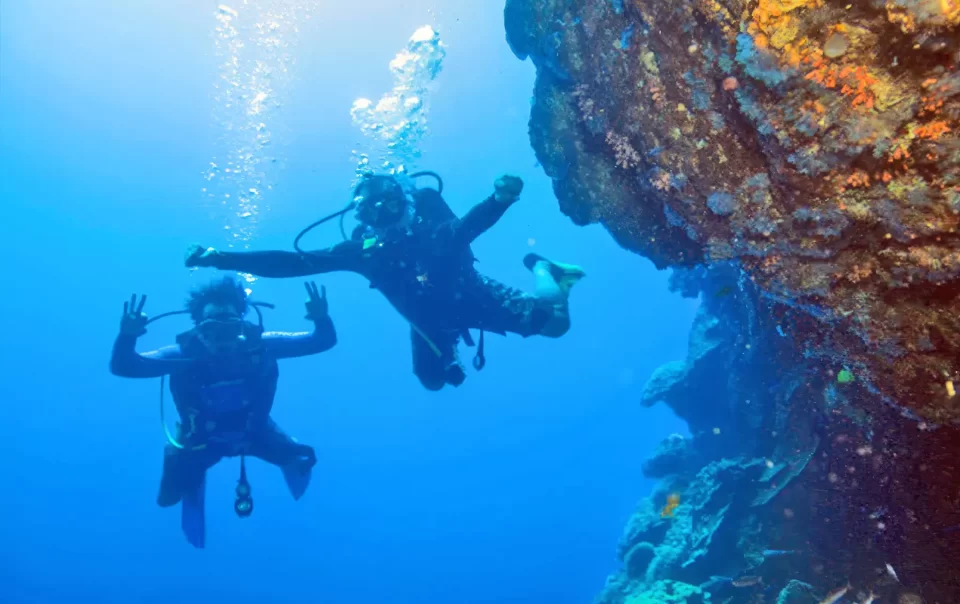
Diving with the crew from Harold’s Mansion is an experience! Whether you are travelling by yourself, as a couple, a family or in a group, are in your twenties or in your seventies – or younger, older or anywhere in between, you will be amazed at what you can see and be shown. It doesn’t matter what level of certification you have – or which course or specialty you want to do next. For those with maximum 10 dives or those with over a thousand dives it will be hard to exit the water without a look of amazement on their face or a big wide grin.
Those with camera’s will be torn between checking out the photo’s they took or getting a new tank and heading straight back into the water; those without a camera will
be thinking about buying / renting one or will be swapping email addresses to get some copies of whatever cool stuff they just saw on their dive.
So, a few questions arise. First, what level of certification do you need? Next, what can you expect to see? Third,which dive sites are there to choose from? Fourth, how to arrange a dive trip and what do you need? And finally, and possibly the most important question:
Why?
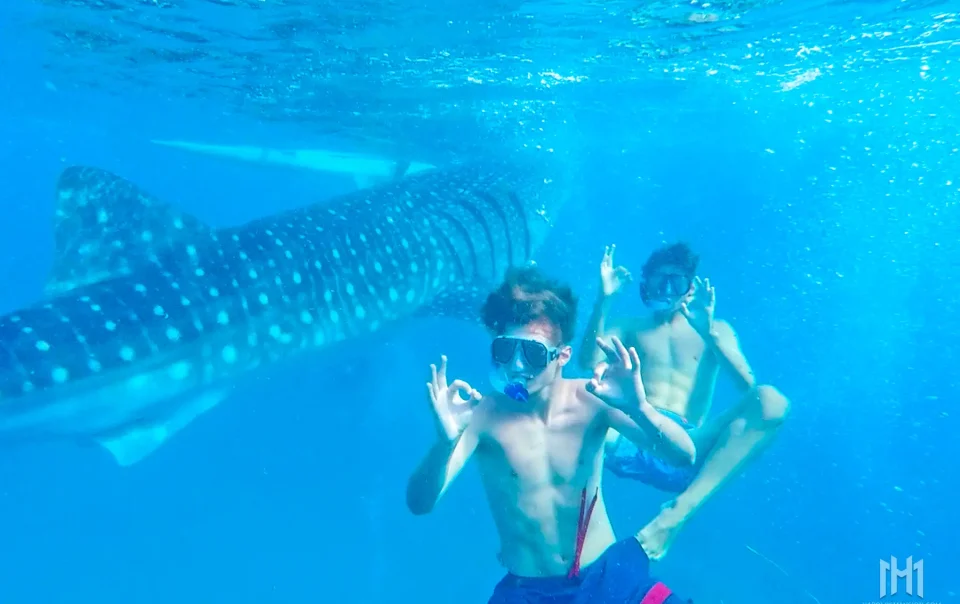
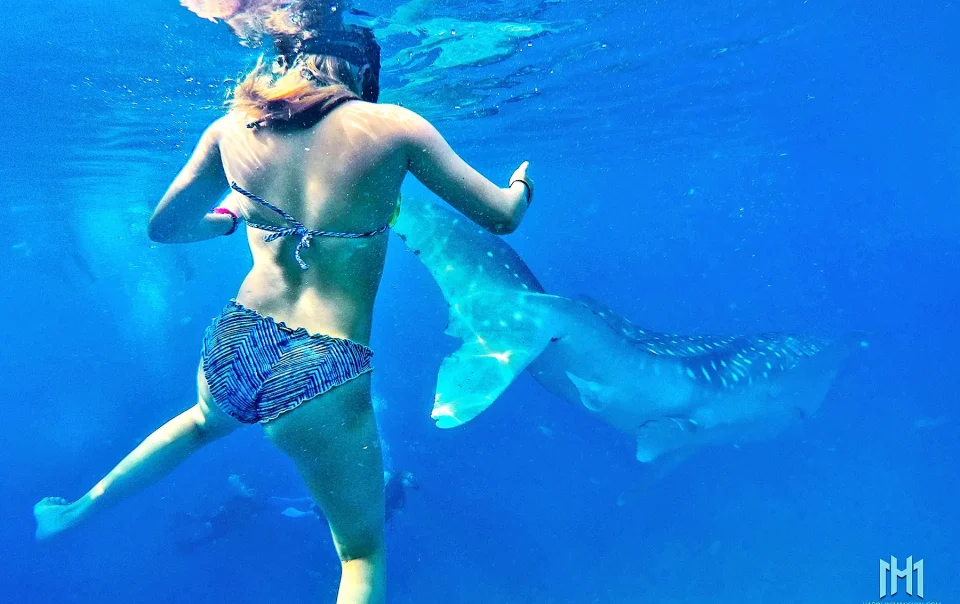
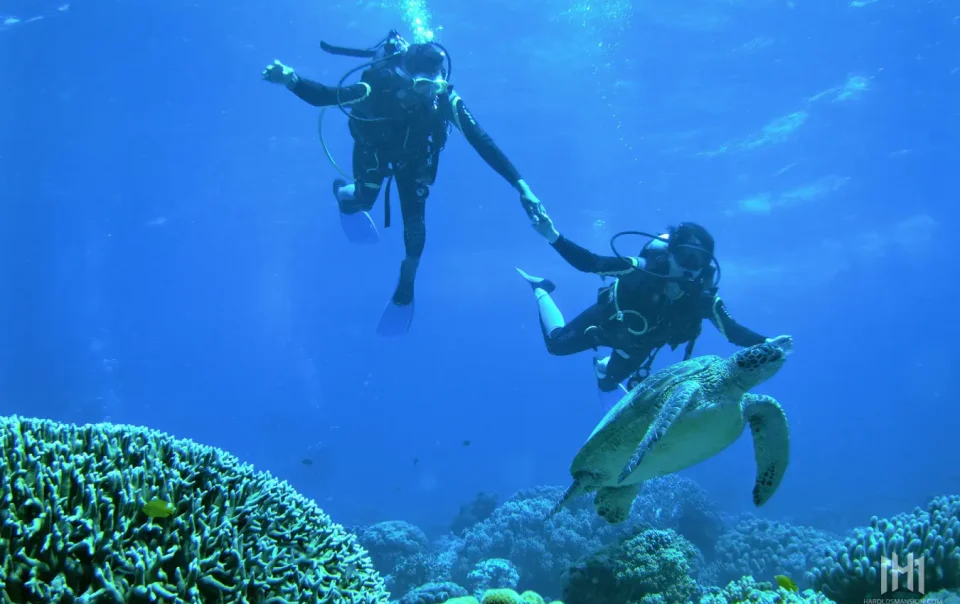
To answer these questions, let’s start with the last one(s). Why indeed should you go diving or take another course and why indeed should you consider doing it here? I guess diving is like anything and unlike anything you’ve done or want to do. It’s true that diving is not for everyone. Nor is trekking through a jungle, hiking up a mountain, visiting museums, shopping, knitting, bungee jumping or more things I can think of. But I believe it’s also true that’s it’s one of those things you must have tried at least once. It is probably one of the weirdest sensations to be able to breathe underwater, to float in it, glide through it without tiring yourself out or having to concentrate to hard, while seeing some things you might see in an aquarium or on television and think WOW and then some. Being less than 5 meters away from a shark (Jaws), having a clownfish (Nemo) look you in the eye through your mask, able to stretch your arm and touch a turtle – which we do NOT do off course – finding a seahorse amongst some rubble are just a few things to expect on one of your dives. Also you can encounter tons of different reef fish as well as flamboyant cuttlefish, painted frogfish, ornate ghost pipes, orangutan crabs, giant moray eels, octopus, devil scorpion fish to name just a few (Check out the dive gallery for photos).
To become certified is easier than it sounds and if you are not sure you want to, you can find out by taking a PADI DSD (Discover Scuba Diving program). The level of certification, experience and how recent your last dives are, will help determine which dive sites may be best / most interesting for you.
The descriptions of the dive sites and what you may expect to see there can be found below.
Harold’s Mansion offers the following PADI courses along with specialty courses:
Discover Scuba Diver
Open Water Diver
Advanced Open Water Diver
Rescue Diver
Master Scuba Diver
There is a wide array of varying dive sites in and around Dumaguete. Every dive site has their “specialty”, concerning the type of dive site (e.g. wall, gently sloping reef, sandy bottom, artificial) and the typical dive you might do there (e.g. drift, muck, cave, wreck). A number of these sites are considered to be among the best in the Philippines. Specific fish seen at a certain dive site will be mentioned when that dive site is being described. The fish mentioned below are the more common reef fish which you are likely to see at every dive site: anemone/clown fish, angel fish, banner fish, bat fish, cardinal fish, damsel fish, jacks / trevally, moorish idol, parrot fish, porcupine fish, puffer fish,snappers, squirrel fish, sweetlips, trigger fish, trumpet fish and many more.
Apo Island is one of the first marine sanctuaries – with over a dozen dive sites is known for its fabulous coral gardens, whereas the Dauin area, with over 15 dive sites, is mostly known for its muck diving / macro diving.
APO ISLAND
One of the reasons people visit the Philippines is the world famous Apo Island. The dozen dive sites around Apo Island – one of the first marine sanctuaries – has it all. And it’s for everyone. The different dive sites are suitable for snorkellrs and/or divers with little experience and for those that have seen it all. The excellent state of the marine life around Apo guarantees an unforgettable experience, whether you will be astonished by the diverse colorful array of soft coral or the abundance of reef fish. Not to mention sea
snakes, turtles, schools of jacks and barracudas. Oh, and did I mention turtles? Apo Island has it all. Every dive site has their “specialty”, concerning the type of dive site (e.g. wall, gently sloping reef, sandy bottom, artificial) and the typical dive you might do there (e.g. drift, muck, cave, wreck). A number of these sites are considered to be among the best in the Philippines. Specific fish seen at a certain dive site will be mentioned when that dive site is being described. The fish mentioned below are the more common reef fish which you are likely to see at every dive site: anemone/clown fish, angel fish, banner fish, bat fish, cardinal fish, damsel fish, jacks / trevally, moorish idol, parrot fish, porcupine fish, puffer fish, snappers, squirrel fish, sweetlips, trigger fish, trumpet fish and many more.

Coconut Point
Rating: A AOW+ current / reef dive
Depth: 5-35m
Current: very strong
Visibility: 15-35m
Coconut Point also known as “the washing machine” is always an exciting dive. The strong currents may come at you left, right and center and can push you back up or pull you deeper down. The sloping reef gives way to a rock wall, in between two rock cliffs you will come across a sandy channel, where you can rest / wait and look out for larger pelagic, such as reef sharks or manta rays to pass by. Every now and then a whale shark is spotted too. Asides from the turtles you can expect to see bumphead parrotfish, jacks,
tuna, snappers, sweetlips, barracuda, sea snakes, potato groupers and even napoleon
wrasse.
Olo
Rating: A/B AOW+ Wall and reef
Depth: 15-30m
Current: very strong
Visibility: 10-35m
Olo meaning “head” in Visayan, lies at the head of Apo Island. The currents can be quite strong here, going west to Coconut Point and south to Cogon. A sandy slope full of staghorn coral divides two walls. With all the fish around you, you would think you are swimming in an aquarium, which is quite true: big wrasses, triggerfish, massive puffer fish, sweetlips, angelfish, snappers, turtles, emperor fish, even sharks are what you may expect to see here. At the moment this dive site is off limits.
Largahan
Rating: C OW+ Wall in between 2 sandy slopes
Depth: 10-20mts
Current: moderate
Visibility: 8-20m
A shallow sandy slope with beautiful coral bommies ending at a small wall that bottoms out on a dark sandy area, from which volcanic bubbles escape. Nudibranches and flatworms, frog fish, scorpion fish, ribbon eels are a few you should keep your eyes open for.
Cogon
Rating: A AOW+ Drift dive
Depth: 15-35m
Current: moderate to very strong
Visibility: 10-35m
Cogon is named after the blady Philippine ‘cogon’ grass that you can see in front of the dive site. This dive starts on a sandy slope and a current taking you south to a sloping reef of mixed corals and sponges that ends in a steep wall. The current ensures a variety of marine life, so keep an eye open towards the blue for schools of pelagic fish, such as big eye trevallies, eagle rays, mantas and reef sharks. Spotting banded sea snakes, turtles, snappers, boxfish, clown triggerfish, napoleon wrasse, cuttlefish, bumphead parrotfish, mantis shrimp and blue spotted stingray during the dive is fairly common too.
Mamsa Point
Rating: B AOW+ drift dive
Depth: 5-35m
Current: moderate to very strong
Visibility: 10-35m
Mamsa means Jack fish in the Visayan language. The dive site starts as a gently sloping reef, turns into a steep slope with underwater boulders and ends in a steep wall of soft and hard corals. Strong currents are common, which bring in big schools of jacks that form a protective circle from the larger predatory pelagic tunas and sharks that like to hunt them.
Kan Uran
Rating: C OW+
Depth: 5-30m
Current: moderate
Visibility: 10-20m
Kan Uran – meaning from(the person) Uran – is a steep slope with loads of crevices and overhangs covered in beautiful soft and hard corals. You’ll come across many gobies, pipefish, file fish, razor fish, nudibranches, moray eels, shrimp, scorpion fish and a lot more macro stuff.
Marine Sanctuary (Clownfish City)
Rating: B OW+
Depth: 5-25m
Current: gentle
Visibility: 10-25m
Located on the south-east shore of Apo Island, the Marine Sanctuary was one of the first official marine sanctuaries in the Philippines. Fishing has been prohibited in this area for the last 20 years and only up to 15 divers a day are allowed. The result is a kaleidoscope of a serious wide range of coral types and formations colored in a way you would not believe possible. The wall drops down to roughly 25m and at the end of the dive you will be amazed again when you visit “Clown fish city”, a shallow area full of hundreds of Nemo’s swimming around their anemone covered coral blocks. Also a ton of reef fish such as angel fish, butterfly fish, frogfish, fusiliers, flatworms and nudibranches, scorpion fish, snappers, sweetlips, surgeonfish, bumphead parrotfish, ghost pipefish, napoleon wrasse can be seen. And of course … turtles.
Rock Point East
Rating: B AOW+
Depth: 5-35m
Current: gentle to strong
Visibility: 10-25m
The east side of Rock Point starts as a steep wall and ends as a plateau at the tip of the point. Due to the currents at the tip it is a great place to keep your eyes on the blue for schools of jacks, reef sharks and the occasional manta ray. The abundantly diverse hard and soft corals full of interesting macro stuff and numerous types of bigger and smaller reef fish give you the impression you’re diving in an aquarium.
Rock Point West
Rating: B AOW+
Depth: 5-25m
Current: gentle to strong
Visibility: 10-25m
This site is a sloping one with platforms at different levels. The current usually gets stronger as you get nearer to the tip of the point where you can usually see larger fish. The deeper you go, the harder the corals are. The marine life is similar to Rock Point East.
Katipanan
Rating: C OW+
Depth: 5-20m
Current: gentle to moderate
Visibility: 10-20m
Katipanan gets its name from the small cowry shells you might spot amongst the soft corals. It is a gentle slope with soft corals which ends into a sandy slope. Look out for
cuttle fish, nudibranches, sea snakes and turtles.
Chapel
Rating: B/C OW+
Depth: 5-35m
Current: gentle to moderate
Visibility: 15-25m
So named because you can see Apo Island’s only chapel. A gentle sandy slope that leads to a very steep slope and then a wall with loads of small crevices and caverns and overhangs decorated by many hard and soft corals, fans, sponges and anemones. It is a great place to see most of the more common reef fish mentioned at the beginning of this section, as well as looking for less common fish and their cousins like, lionfish, scorpion fish, blue fin trevailly, lobsters, many nudibranches, garden eels, moray eels, ribbon
eels, turtles, frogfish, napoleon wrasse, bumphead parrotfish and maybe even the odd thresher shark out in the deep blue.
Boularte
Rating: C OW+ Sandy bottom with coral bommies
Depth: 30m
Current: gentle
Visibility: 10-20m
Boularte is the name of the big rock at the north east corner of Apo Island. A cool dive site where a continuous stream of bubbles – created through the volcanic activity under the island – can be seen. A small wall covered in beautiful soft corals, that gradually turns into a black sandy slope with coral bommies strewn around, which hide a variety of marine life including various garden eels and seasnakes.
MUCK DIVING
Muck diving gets its name from the sediment that lies beneath most dives: a normally muddy or “mucky” environment. Other than the muddy sediment, the standard muck
dive may consist of dead coral skeletons, discarded fishing equipment, tires
and other man-made garbage. In addition, the visibility is usually subpar to
the reef or wreck sites of the area. It’s the “muck” itself that makes them so different and interesting. The muck is the perfect habitat for unusual, exotic and juvenile organisms that make their homes in the sediment and “trash” that compose a muck dive. Creatures like colorful anglerfish, blue-ringed octopus, frog fish, ghost pipe fish, nudibranches, rare pygmy seahorses, different types of shrimp and many more creatures you will never see if you don’t know what you are looking to discover.
Dauin Sanctuary
Rating: A OW+ reef / muck
Depth: 3-30m
Current: gentle
Visibility: 10-25m
Basically they are two different dive sites (Dauin North and Dauin South) usually combined into 1 dive. The Dauin Sanctuary (since 2000) is made up of 4 smaller coral reefs (heading south) separated by sandy channels filled with garden eels. Just off the beach a beautiful hard coral garden – which is also great for snorkeling – slopes gently down to 25 meters to softer corals.
Heading north is a sandy area with sea grass. There are also several old mooring blocks and at first glance you will not give either a second thought, but if you look closer you will find it houses numerous different marine creatures. Because there is hardly any current present in this area, it is an ideal site for open water divers, refresher courses
and orientation dives. Besides the more common reef fish it is not unlikely to come across a turtle, scorpion fish, flatworms and nudibranches, catfish, snake eels, devil fish, cuttlefish, flamboyant cuttlefish, ribbon eels, anemone fish, small barracudas, groupers, jacks, Indian walkman, ghost pipefish, seahorses, stargazers, frogfish, bumphead parrotfish, wasp fish, sea moth lion fish. And this all during 1(!!) dive; therefore an A rating.
Car Wreck

Rating: A AOW+ muck / wreck
Depth: 6-30m
Current: gentle to moderate
Visibility: 5-15m
Another great macro dive site – and the deepest – is the Car Wreck. Two old Volkswagens have been dropped in this sandy area and are located between 24-28 meters, surrounded by concrete pipes, oil drums and cement mixers. It is a great place to look for a lot of juvenile reef fish as well as dwarf lion fish, snake eels, a wide variety of shrimps and crabs, ghost pipe fish, crustaceans, frogfish, sea moths and flatworms other macro life. This dive site has been voted as the best macro dive site since 2009.
Ginama Point
Rating: B OW+ muck / night dive
Depth: 5-22m
Current: depends on tide
Visibility: 10-25m
“Ginama” literally means man made in the Visayan language. This site is another superb macro dive site. A huge artificial garden has been created, by placing car and truck tires more than 12 years ago, covering an area of roughly 300 square meters to a depth of
approximately 20 meters. The tires are now completely covered in hard and soft corals
and sponges. The garden is now home to a variety of shrimps, crabs, angler fish, ghost pipe fish, devil fish, moray eels, blue spotted rays, scorpion fish, frogfish, flatworms and nudibranches. A sea grass area is also nearby where you can spend some time in looking for other special things.
Shipwreck
Rating: C AOW+ muck dive
Depth: 32m
Current: gentle to moderate
Visibility: 5-15m
This dive site is known as an artificial reef consisting of old tires, concrete blocks, and a “banca” wreck (the remains of a traditional “Filipino” fishing boat). Even though the wreck – which lies on a sandy area at about 23m is in poor condition – you will be surprised with the unique marine diversity that is living there. It is a great dive site for macro lovers.
MORE POPULAR DIVE SIGHT
Masaplod Sanctuary is one of the oldest sanctuaries in the area. This sanctuary boasts a rich marine biodiversity. It is a gently sloping reef down to 25m with big coral
formations. With a strong current it can be a good drift dive where you can see large schools of jacks, different types of snappers and barracudas. Sea turtles are also quite common here, as well as groupers. The sand is home to many creatures as well if you take care to look for them.
Masaplod North
Rating: B AOW+
Depth: 5-25m
Current: moderate to strong
Visibility: 10-25m
Nestled within the same sanctuary boundary as Masaplod Sur, Masaplod Norte (North) is known for its beautiful marine life, from tiny weird creepy crawlers to larger fish species. It is a gentle slope and whilst good for all levels it can be a slightly more challenging drift dive if planned. Look out for big barracudas, blue-spotted stingrays, potato groupers and schools of jacks and snappers, sea snakes, eels, turtles and it’s fair share of macro life.
Nudibranches, pipefish, seahorses, ghost pipefish, also mantis shrimps, stargazers
and loads more.
Masaplod South
Rating: B
Depth: 5-26m
Current: gentle to moderate
Visibility: 5-20m
Masaplod Sur (South) starts at around 8m. There is a small area of artificial reefs constructed from car tires. A sandy slope leads to an area of two separate reefs covered in healthy and colorful soft corals, staghorn corals and other hard corals. Sea moths, pipefish, anemone fish and many other reef fishes can be seen at this dive site. It has its fair share of cool fishes like anglerfish, ghost pipefish, nudibranches, sea snakes, scorpion
fish, sweetlips, but also moray eels, turtles and schools of larger fish species.
Bahura
Rating: C
Depth: 5-22m
Current: moderate to strong
Visibility: 10-25m
A sloping reef of hard coral blocks which descend to a sandy reef of soft corals. Apart from the more common reef fish you might come across mantis shrimp, nudibranches, scorpion leaf and reef fish, small lion fish, ghost pipefish, frog fish to name a few.
Mainit
Rating: C AOW (+) Drift dive
Depth: 3-30m
Current: Moderate to Strong
Visibility: 5-15m
Mainit means “hot” in the Visayan language. It derives its name from the nearby
hot springs indicating the volcanic nature of the area. It is a gently sloping sandy bottom with rocks popping out covered in different types of corals and anemones. Towards the end of the dive you will reach patches of yellow sandy areas where hot sulfur rich water comes out of the ground. Feel the warm sand and look out for bubbles (Be careful of
underwater life that might live in the sand!). The (strong) currents attract schools of barracuda, but you may also encounter, catfish, crabs, (garden and ribbon) eels, flounders, flatworms and nudibranches to name but a few.
Atlantis / San Miguel
Rating: C/D OW+ muck / reef / night dive site
Depth: 5-20m
Current: gentle to moderate
Visibility: 5-15m
The Atlantis / San Miguel sanctuary is actually an area which exists of several
smaller dive sites, as the area is generally too large to cover in one go. San Miguel on the northern side is a large sandy slope, cool for macro stuff before you hit the reef. Going south are Atlantis reef and Atlantis artificial reef. It’s quite a walk through the sea grass in the shallow area before you reach the actual dive site. The artificial reef is a small area with a bunch of old car and truck tires which are now nicely covered with hard and soft corals. You are likely to come across (flamboyant) cuttlefish, mandarin fish, lionfish, flatworms and nudibranches, schools of (juvenile) catfish, blue spotted stingrays, moray
eels, ghost pipefish, frogfish, ribbon eels, scorpion fish and more.
Sedney Park
Rating: C AOW+
Depth: 5-22m
Current: gentle to strong
Visibility: 10-25m
A steep sandy slope covered with patches of soft and hard corals with a fair amount of different underwater species.
El Dorado
Rating: B OW+ reef / muck / night dive
Depth: 5-22m
Current: moderate to strong
Visibility: 5-20m
A gently falling black sandy slope in front of El Dorado Resort covered with large areas of staghorn coral fields interspersed with varying sizes of coral blocks and sea grass. A bunch of old tires and moorings as well as the old Dive Society speed boat has become the basis for underwater coral growth, which in turn has attracted smaller and bigger fish
species, such as crabs, crocodile fish, devil fish, fingered dragonets, flamboyant cuttlefish, flat worms, frog fish, ghost pipe fish, lion fish, moray eels, nudibranches, octopus, pipe fish, seahorses, sea snakes, scorpion fish, snake eels, lobsters, shrimps and stargazers. Also keep a lookout for some large groupers and the resident turtle.
Pura Vida
Rating: C OW+ artificial / muck / night dive
Depth: 5-30m
Current: moderate to strong
Visibility: 5-20m
This house reef –Pure Life in Spanish – which used to be “devoid” of marine life has now become an oasis for small critters, reef fish and their cousins. The artificial reef is made up of a few smaller wrecks, some old tires, a bunch of concrete blocks and a steel pyramid. If you’re lucky you might also come across “special species” like seahorses, a
wunderpus, hairy frogfish, ghost pipe fish or even a sea moth.